
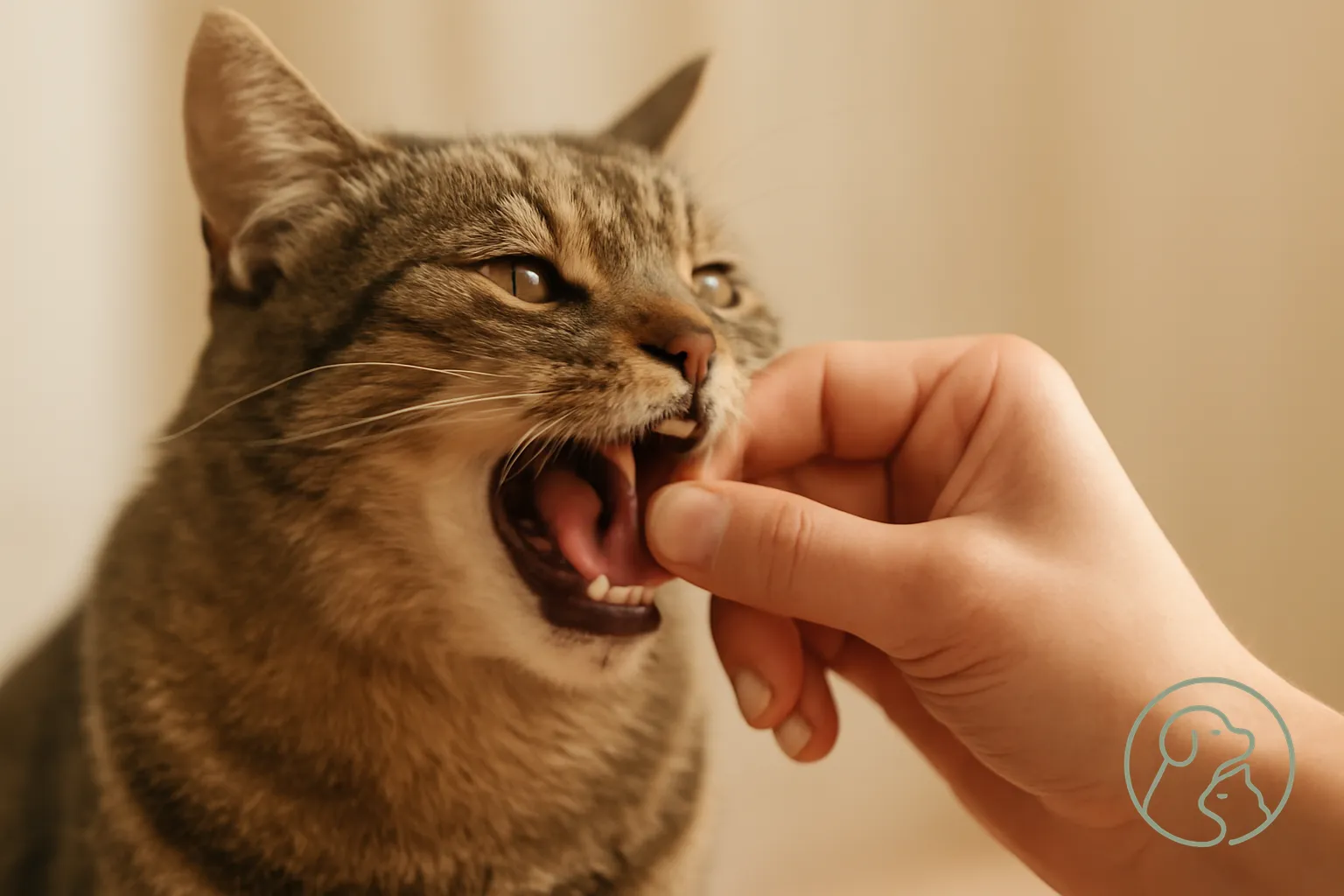
Your cat finishes dinner, walks away, and settles into their usual spot. Nothing seems unusual — until you notice they are eating more slowly, dropping pieces of food, or turning their head while chewing.
Cats are especially good at hiding pain, including mouth pain. That is why recognizing the early signs of dental disease in cats matters. A quick home observation and timely veterinary visit can help identify problems before eating, grooming, and everyday comfort are affected.
Why Cat Dental Health Matters
Dental disease is common in cats, particularly as they get older. Plaque can harden into tartar, leading to inflamed gums and damage to the tissues supporting the teeth. Other problems, such as tooth resorption, fractures, and inflammatory mouth disease, may be painful even when the teeth look fairly normal from the outside.
Untreated dental problems may contribute to:
- Ongoing mouth pain
- Difficulty chewing or swallowing
- Reduced appetite
- Weight loss
- Poor grooming
- Irritability or hiding
- Infection around a tooth or below the gumline
Some oral conditions may also occur alongside broader health problems. Your veterinarian can help determine whether a mouth issue is isolated or connected to another medical concern. Keeping a simple record of appetite and weight changes — and how those trends evolve over time — makes noticing these links easier, so consider using a health timeline to track patterns between visits and emergencies. What to Expect at Every Pet Life Stage and the Pet Health Timeline Every Owner Should Keep both explain what notes are most useful.
Common Dental Conditions in Cats
Several different conditions can affect a cat's mouth. They do not all look the same, which is one reason a professional oral exam is important.
- Gingivitis: Red, swollen, or bleeding gums caused by inflammation.
- Periodontal disease: Damage to the tissues and bone supporting the teeth, often associated with plaque and tartar buildup.
- Tooth resorption: A painful condition in which parts of a tooth gradually break down. The cause is not fully understood, and much of the damage can be hidden below the gumline.
- Stomatitis: Severe inflammation of the mouth that may affect the gums, cheeks, tongue, or other tissues.
- Dental fractures: Cracked or broken teeth caused by trauma or chewing on unsuitable hard objects.
- Tooth root infection: An infection below the gumline that may cause pain, swelling, or a draining area on the face.
Signs of Dental Disease in Cats
Dental pain does not always cause dramatic symptoms. Watch for small changes in eating, behavior, and appearance, especially when they persist or gradually become more noticeable.
1. Persistent Bad Breath
A mild scent immediately after eating may not be unusual. However, ongoing strong breath is not something to dismiss as normal cat behavior. It can be an early sign of plaque, gum disease, tooth damage, or another health problem.
2. Changes in Eating
Your cat may still approach the food bowl even when their mouth hurts. Look for changes such as:
- Eating more slowly than usual
- Dropping food while chewing
- Chewing on only one side
- Turning the head while eating
- Preferring wet food over dry food
- Avoiding treats they normally enjoy
- Hesitating before taking a bite
- Eating less or refusing food
A sudden refusal to eat deserves prompt attention, particularly if it continues or occurs with lethargy, drooling, or other signs of pain. If you keep a routine for weighing and noting appetite, small declines are easier to spot; see our guide on How to Track Your Cat's Weight at Home (And Why It Matters) for practical tips.
3. Drooling or Blood-Tinged Saliva
Some cats with mouth pain drool more than usual. The saliva may be thick, stringy, or tinged with blood. A wet chin, damp fur around the mouth, or repeated swallowing can also signal that something is irritating the mouth.
4. Red, Swollen, or Bleeding Gums
Healthy gums are generally pink, although normal coloring can vary slightly. Redness along the gumline, swelling, bleeding, or a noticeably uneven gum margin should be checked by a veterinarian.
Receding gums or exposed tooth roots are also concerning. Do not press on painful areas or try to scrape away tartar at home.
5. Visible Tartar or Damaged Teeth
Yellow, brown, or rough buildup is often easiest to see on the back teeth. You may also notice:
- Loose teeth
- Broken or chipped teeth
- Missing teeth
- A tooth that looks darker than the others
- A small hole or irregular area near the gumline
A tooth that looks normal can still have disease below the gumline, so a visual check cannot rule out dental problems.
6. Pawing at the Mouth or Face
Pawing, rubbing the face against furniture, or repeatedly licking the lips may indicate discomfort. Some cats also shake their head or avoid having their cheeks touched.
7. Hiding, Irritability, or Reduced Grooming
Pain can change a cat's personality. A normally social cat may hide more, become irritable, or resist handling around the head. They may also stop grooming properly, leaving the coat greasy, tangled, or less tidy than usual.
8. Facial Swelling or Weight Loss
Swelling beneath an eye, along the jaw, or on one side of the face may indicate an infection or other serious dental problem. Weight loss can occur when chewing becomes painful or eating becomes too difficult.
These signs should not be watched at home for several days without contacting your veterinary clinic.
A Quick Home Monitoring Checklist
You do not need to force your cat's mouth open to monitor dental health. During normal routines, check for changes you can observe safely.
- Breath remains mild rather than persistently strong
- Eating speed and food preferences are unchanged
- No food is falling from the mouth
- No unusual drooling or blood-tinged saliva
- No pawing at the mouth or face
- Gums do not look markedly red or swollen
- No visible loose, broken, or unusually dark teeth
- Weight and grooming habits remain stable
- Your cat still tolerates gentle handling around the head
Pro tip: Keep notes about when you first notice a change. A short video of unusual chewing or eating behavior can also help your veterinarian understand what is happening.
How to Check Your Cat's Mouth Safely
Choose a calm moment when your cat is relaxed. Good opportunities may include after a nap or while they are sitting comfortably beside you.
- Let your cat sniff your hand and settle before touching their face.
- Gently lift the lip to look at the front teeth and nearby gumline.
- Check for obvious redness, swelling, tartar, bleeding, or broken teeth.
- Look briefly at both sides if your cat remains comfortable.
- Stop immediately if your cat pulls away, cries, swats, or appears distressed.
Never force the mouth open or attempt to inspect deep inside an uncooperative cat's mouth. You could be bitten, and struggling may increase your cat's fear. Do not use human toothpaste, sharp tools, or household products to clean the teeth.
When to Call the Veterinarian
Contact your veterinary clinic if you notice persistent bad breath, changes in eating, red or bleeding gums, or any other recurring sign. Dental disease often progresses gradually, so an appointment is worthwhile even if your cat seems mostly normal.
Seek Prompt Care For
- Facial swelling
- Blood in saliva or active mouth bleeding
- A broken or loose tooth
- Sudden refusal to eat
- Marked difficulty chewing or swallowing
- Rapid or significant weight loss
- Severe drooling
- Strong signs of pain, hiding, or distress
A cat that is not eating should be assessed promptly. Cats can become unwell when they go without food, and the underlying reason may not be dental disease alone.
If you decide to schedule a visit, a little preparation helps the appointment go smoothly — bring recent notes about eating, weight, and behavior, and consider the simple checklist your vet will appreciate seeing. For tips on what helps during appointments and what to bring, our post on 10 Things Your Vet Wishes You'd Bring to Every Appointment is a helpful primer.
What Happens at a Veterinary Dental Visit?
The veterinarian will usually begin with your cat's history and an examination while they are awake. They may ask about appetite, chewing, drooling, breath, weight, grooming, and behavior.
A complete dental assessment often requires anesthesia because cats cannot safely remain still for a detailed examination and dental X-rays. X-rays can reveal problems hidden below the gumline, including tooth resorption, damaged roots, bone loss, and abscesses.
A professional dental procedure may include:
- Scaling to remove plaque and tartar
- Polishing the tooth surfaces
- Probing around the gums
- Dental X-rays
- Extraction of diseased or painful teeth
- Pain relief and other treatment when indicated
- Home-care instructions for after the procedure
Your veterinarian may recommend a pre-anesthetic examination and bloodwork, particularly for adult or senior cats. The timing of professional cleanings varies from cat to cat.
Prevention and Home Dental Care
Home care works best when it is introduced slowly and kept consistent. Your veterinarian can help you choose an approach that fits your cat's teeth, temperament, and existing health conditions.
Tooth Brushing
Regular brushing with toothpaste made specifically for cats is generally one of the most effective home-care options. Start with brief sessions:
- Let your cat taste a small amount of cat-specific toothpaste.
- Touch the lips and cheeks without immediately brushing.
- Introduce a soft pet toothbrush or finger brush gradually.
- Brush only a few teeth at first.
- End while your cat is still calm.
- Increase the time slowly over multiple sessions.
Never use human toothpaste, as some ingredients can be unsafe for cats.
Dental Diets, Treats, and Rinses
Some veterinary dental diets, chews, gels, and water additives are designed to reduce plaque or tartar. Their benefits vary by product and by cat. Ask your veterinarian which options are appropriate, especially if your cat has kidney disease, diabetes, food allergies, or another condition requiring a specific diet.
Avoid extremely hard objects that could fracture teeth. A product marketed as a dental chew is not automatically suitable for every cat.
Regular Veterinary Checks
Routine examinations allow your veterinarian to look for changes that are difficult to see at home. Regular weight checks, appetite monitoring, and observation of grooming habits can also reveal that your cat is uncomfortable before the mouth looks obviously abnormal.
If you struggle to build consistent home care, start with tiny habits and tie them to daily routines. Our piece on Building a Pet Health Routine That Actually Sticks has practical strategies for making small, sustainable changes that fit your life.
Common Misconceptions About Cat Dental Health
- “Bad breath is normal for cats.” Occasional mild odor can happen, but persistent bad breath deserves a veterinary check.
- “A cat with dental disease will always drool.” Many cats show subtler signs, such as slow eating, hiding, or chewing differently.
- “Dry food prevents dental disease.” Dry food alone is not a reliable preventative. Plaque control depends on the individual cat and the overall dental-care plan.
- “I can diagnose the problem by looking at the teeth.” Important conditions may be hidden below the gumline and require dental X-rays.
- “A normal-looking tooth cannot hurt.” Tooth resorption, root problems, and other painful conditions may not be visible during a quick home inspection.
How Setiora Can Help
Dental changes can be easy to forget when they happen gradually. Recording your cat's weight, appetite, grooming habits, symptoms, and veterinary appointments in one place makes patterns easier to notice and share during a visit.
Setiora helps you keep those everyday details organized, from the first note about unusual breath to reminders for follow-up care. Consistent observation does not replace a veterinary examination, but it can help you recognize changes sooner and give your cat's care team a clearer picture.
Small observations matter. A slower meal, a change in grooming, or a little more hiding may be your cat's quiet way of saying something hurts.
Sources
For additional veterinary dental information, see:
Veterinary dental needs vary between cats. Your veterinarian can recommend the safest examination schedule and home-care plan for your pet.
Not veterinary advice
This article is for general educational purposes only and isn't a substitute for individualized guidance from a licensed veterinarian. Always consult your vet before starting, changing, or stopping any vaccination, medication, or treatment for your pet, and seek immediate veterinary or emergency care for urgent symptoms.
Track your pet's health with Setiora
Log vaccinations, medications, weight, and vet visits — all offline, all organised.
Join Waitlist →