
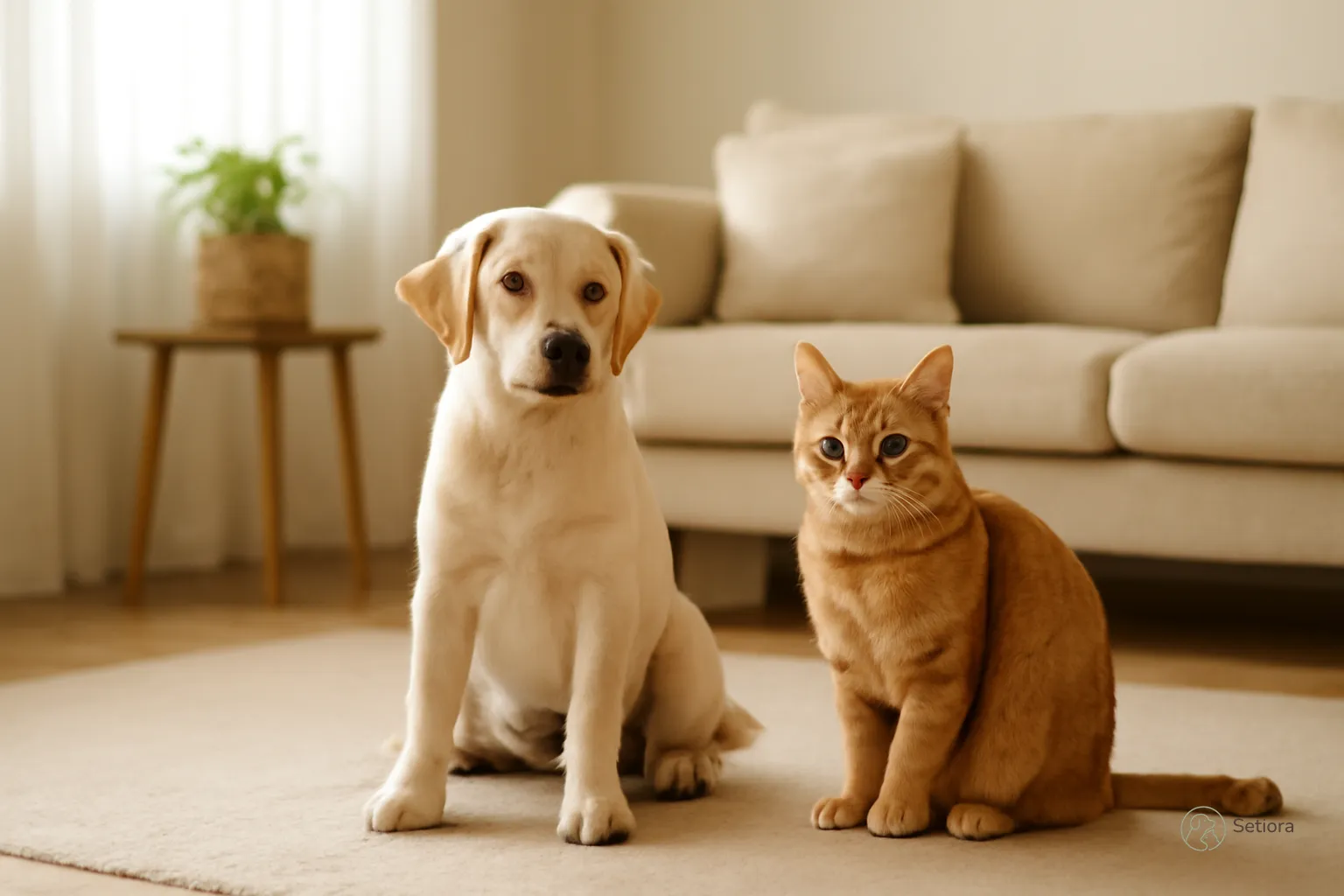
You have the bed ready, the food bowl in place, and a new pet waiting to come home. Then you notice the loose phone charger, the open bathroom door, and the houseplant your cat may be able to reach. This pet-proofing your home checklist helps you spot those everyday hazards before they become problems.
A safe home is about more than removing dangerous objects. Your pet also needs a quiet place to rest, species-appropriate enrichment, predictable routines, and room to adjust at their own pace.
Before Your Pet Comes Home
Pet-proofing is easiest before your new companion arrives. Walk through your home at your pet's level and look for anything they could chew, swallow, knock over, climb, or escape through.
Start with these preparations:
- Choose a quiet introduction room or contained area
- Set up food and water bowls
- Prepare a bed, crate, carrier, hide, or enclosure
- Install litter boxes or designate a toileting area
- Remove or secure medications, cleaners, chemicals, and pesticides
- Check windows, doors, screens, fences, and balconies
- Save your regular veterinarian's number and the nearest emergency clinic
- Identify a reputable animal poison control resource
- Prepare identification, such as a microchip and collar tag where appropriate
- Buy safe toys and species-appropriate grooming supplies
A calm introduction room can make the first few days less overwhelming. Include a comfortable resting spot, fresh water, food, appropriate toys, and a litter box or toilet area if needed. Keep the space away from drafts, direct sun, heavy foot traffic, and loud appliances.
If you're preparing for a new puppy, our New Pet Checklist: The First 30 Days After Bringing Home a New Pet offers a step-by-step plan for those initial weeks — from vet visits to socialization. For ongoing daily care that fits changing needs, see our guide on Building a Pet Health Routine That Actually Sticks.
Why this matters: Supervision, training, and environmental changes work together. A secured cord is safer than an exposed one, while teaching your puppy to chew an approved toy helps prevent the same hazard from returning later.
General Pet Safety Checklist
Some risks are common across many species, although the exact precautions depend on your pet's size, age, and behavior.
Secure Toxins and Dangerous Substances
Store these items in closed cabinets or containers your pet cannot open:
- Human medications and supplements
- Cleaning products and laundry supplies
- Antifreeze, fuel, paint, and solvents
- Insecticides, rodenticides, and garden chemicals
- Essential oils and concentrated fragrances
- Batteries, glue, and sharp tools
- Personal care products
Do not assume a substance is safe because it is natural or used in small amounts. If your pet may have swallowed something harmful, contact your veterinarian or a veterinary poison control service promptly. The ASPCA Animal Poison Control Center provides species-specific toxicology information.
For a quick checklist you can keep handy in your emergency folder, our 10 Things Every Pet Emergency Folder Should Include lays out the essential documents and contacts to save you time when minutes matter.
Check Foods and Plants
Some foods can be dangerous even in small amounts. Keep chocolate, grapes and raisins, products containing xylitol, onions, garlic, and other unsafe foods away from pets. Avocado safety also varies by species, so check with a veterinarian before offering unfamiliar foods.
Houseplants deserve the same attention. Lilies, for example, can be especially dangerous to cats. When you are uncertain about a plant, check a reliable veterinary toxicology source before bringing it indoors.
Remove Choking and Chewing Hazards
Small objects can be tempting to curious pets. Secure:
- Coins and jewelry
- Hair ties and rubber bands
- Children's toys
- Bottle caps and batteries
- Paper clips and pins
- Remote controls
- Small decorations
- Loose pieces from damaged toys
Puppies, kittens, rabbits, and rodents may chew as part of normal exploration. Give them safe outlets, but still supervise play and replace toys that become worn or broken.
Prevent Escapes and Falls
Check every possible route outside:
- Doors that open frequently
- Unscreened windows
- Balcony railings and gaps
- Loose fencing or holes beneath gates
- Unsecured pet doors
- Carriers and enclosure doors
Pets may be able to climb or jump farther than expected. A high shelf is not automatically safe for a cat, and a balcony is not secure simply because it is several floors above the ground.
Pet doors also need careful planning. An unsecured door may allow other animals to enter, give a small pet an escape route, or create a security concern. Consider a lockable, size-appropriate option and place it where you can monitor use.
Manage Temperature
Pets can suffer from overheating or becoming too cold. Provide shade, fresh water, and a comfortable resting area. Keep beds away from strong drafts and direct sunlight, and check that outdoor surfaces are not dangerously hot.
Never leave a pet unattended in a parked car. Temperatures inside vehicles can rise quickly, even when the weather does not feel extreme.
Room-by-Room Pet-Proofing Checklist
Entryways and Hallways
Door-dashing is a common problem in new homes. Create a routine for arrivals and departures before your pet learns to rush the door.
- Keep exterior doors closed when possible
- Use a gate or exercise pen if needed
- Secure shoes, bags, keys, and loose items
- Check shoes for gum, medication, or small objects
- Keep a leash, harness, or carrier ready
- Reward calm behavior near the door
- Use a mat or crate as a waiting spot
Living Areas
Living rooms often contain cords, furniture, plants, and small objects at floor level.
- Cover or conceal electrical cords
- Secure loose wires with pet-safe cord protectors
- Anchor heavy furniture and televisions
- Keep small objects off the floor
- Move toxic plants or replace them with confirmed pet-safe options
- Provide scratching posts, chew toys, perches, or hiding places
- Check that fireplaces, heaters, and fans cannot be reached or knocked over
Kitchen
Food smells can encourage counter-surfing, scavenging, and door-dashing. Prevention is easier than trying to correct a dangerous habit later.
- Use a trash can with a secure lid
- Store human food in closed cabinets or the refrigerator
- Keep medications and cleaning products locked away
- Wipe up food scraps promptly
- Keep pets away from hot stovetops and open ovens
- Use back burners when possible
- Let hot pans and appliances cool before allowing access
- Keep dishwashers closed and check for sharp utensils
Train your pet to wait in a safe area during cooking. This protects them from hot surfaces while giving you more room to work.
Bathrooms and Laundry Areas
Bathrooms contain medications, chemicals, water hazards, and small items that are easy to swallow.
- Close toilet lids when necessary
- Keep medications, razors, and grooming products secured
- Store laundry detergent and cleaning supplies behind closed doors
- Keep dental floss, cotton swabs, and hair ties out of reach
- Close washing machines and dryers
- Check appliances before starting a cycle
- Keep pets away from hot irons and hair tools
Small animals can drown in toilets, buckets, or open drains. Cover or empty containers when they are not in use.
Bedrooms
Bedrooms can be comfortable retreat spaces, but they still need a safety check.
- Secure pills, perfumes, cosmetics, and jewelry
- Keep window screens intact and windows secured
- Tie up blind and curtain cords
- Move small objects away from the floor
- Check under beds and inside closets before closing doors
- Provide a separate bed if sharing furniture is not suitable for your pet
A pet bed in a quiet corner can help your new companion rest without being isolated from the household.
Balconies, Yards, and Outdoor Areas
For a cat-proofing balcony plan, do not rely on height alone. Use secure screens or professionally installed barriers that prevent climbing through or over railings.
In yards and outdoor spaces:
- Inspect fences, gates, and gaps
- Remove toxic plants
- Cover standing water
- Store pesticides and fertilizers securely
- Provide shade and fresh water
- Check for sharp debris, holes, and exposed nails
- Keep pets away from hot asphalt, sand, and metal surfaces
Garage and Workshop
Garages can contain some of the most dangerous household chemicals.
- Lock away antifreeze, fuel, paint, pesticides, and solvents
- Secure sharp tools and hardware
- Dispose of oily rags safely
- Keep car doors closed
- Clean spills immediately
- Do not allow pets to wander near running vehicles
- Never leave a pet unattended inside a vehicle
Adjust the Setup for Your Pet's Species
A good pet-proofing checklist for dogs will not look exactly like one for a bird or rabbit.
Dogs
Secure fencing, supervise chewing, and keep small objects out of reach. Use a properly fitted harness or collar for the situation, and introduce crate and leash training gradually. Puppies may need extra barriers around cords, furniture, and stairs.
Cats
Secure windows and balconies, provide vertical space, and offer sturdy scratching posts. Check every houseplant before bringing it inside. Indoor cats still need identification because doors and windows can open unexpectedly. For differences in health needs between indoor and outdoor lifestyles, our Indoor vs Outdoor Cats: Health Checks to Know explains what to watch for regardless of where your cat spends most of their time.
Rabbits and Rodents
Block electrical cords and protect furniture legs from chewing. Use safe flooring and bedding, avoid wire-bottom cages where they can injure their feet, and choose exercise wheels and toys designed for the species and body size.
Birds
Place cages away from kitchens, drafts, and direct sun. Avoid aerosol sprays and fumes from non-stick cookware, which can be dangerous to birds. Cover or secure windows during early flight training and supervise out-of-cage time.
Reptiles and Amphibians
Use secure terrariums with appropriate locks. Check temperature, humidity, lighting, heating equipment, and substrate regularly. Keep enclosures away from other pets and wash your hands after handling.
Fish
Use a stable stand and a secure tank lid. Confirm that filtration and heating equipment are functioning, and monitor water conditions according to the species' needs. Keep cords and electrical connections dry and safely arranged.
Make the Home Comfortable, Not Just Safe
Safety is the foundation, but comfort helps your pet settle and behave confidently.
Provide:
- Species-appropriate bedding
- Hiding places and quiet retreats
- Safe toys, perches, tunnels, or climbing areas
- Fresh water in stable, appropriately sized bowls
- Predictable feeding, play, and rest routines
- Separate resources in multi-pet homes
- Soft, non-slip surfaces where needed
Avoid elevated food bowls unless your veterinarian recommends one for your individual pet. Fresh water should be available consistently, with the bowl cleaned and refilled regularly.
For pets with mobility challenges or those getting older, consider ramps, non-slip mats, low-entry litter boxes, easy-access food stations, soft bedding, and fewer obstacles between resting areas and essential resources.
Training Complements Pet-Proofing
Environmental changes reduce opportunity, while training builds safer habits.
Work gradually on:
- Calm greetings at the door
- Leave-it and drop-it cues for dogs
- Carrier and crate acclimation
- Litter or house training
- Gentle handling for grooming and veterinary visits
- Positive introductions to new people and animals
- Safe chewing and scratching habits
In a multi-pet household, introduce animals slowly and provide separate food, water, toys, and resting areas. Watch for hiding, appetite changes, stiff body language, growling, chasing, or other signs of stress. Persistent aggression, separation anxiety, or destructive behavior may call for help from a qualified behavior professional.
Recheck Your Home Regularly
Pet-proofing is not a one-time task. Your pet may grow, become more agile, develop new habits, or need different support with age. Your household can change too when you add furniture, welcome guests, decorate for a season, or begin renovations.
Set a regular reminder to check:
- Chewed cords and loose wires
- Damaged toys and bedding
- New plants, decorations, and guest belongings
- Fence and window security
- Expired medications and chemicals
- Seasonal hazards and hot or cold areas
- Changes in your pet's mobility or behavior
If you notice weight loss or gain as your pet settles into a new routine, our How to Track Your Cat's Weight at Home (And Why It Matters) (useful for cats and adaptable for small dogs) explains simple ways to monitor weight at home and when to call your vet.
Quick Pet-Proofing Checklist
Save this short version for a final walkthrough:
- Secure medications, chemicals, cleaners, and poisons
- Check foods and plants against a reliable toxicology resource
- Cover electrical cords and remove small objects
- Secure windows, balconies, doors, fences, and pet doors
- Anchor heavy furniture and appliances
- Set up a quiet introduction area
- Prepare food, water, bedding, litter, and enrichment
- Store trash securely
- Check bathrooms, laundry appliances, and drains
- Remove garage and workshop hazards
- Prepare identification and a transport carrier
- Save your veterinarian, emergency clinic, and poison control contacts
- Plan gradual introductions for multi-pet households
- Recheck the home as your pet grows and routines change
How Setiora Can Help
Bringing home a pet involves many small responsibilities, from vaccination records and identification to feeding routines, grooming, reminders, and veterinary contacts. Keeping those details organized makes it easier to focus on helping your new companion feel secure.
Setiora gives you one place to keep your pet's important care information and routines together. A safer home starts with thoughtful preparation, then becomes easier to maintain when the details are easy to find.
Give your pet time to settle in, make changes as you learn their habits, and build safety into the everyday routine.
Track your pet's health with Setiora
Log vaccinations, medications, weight, and vet visits — all offline, all organised.
Join Waitlist →