
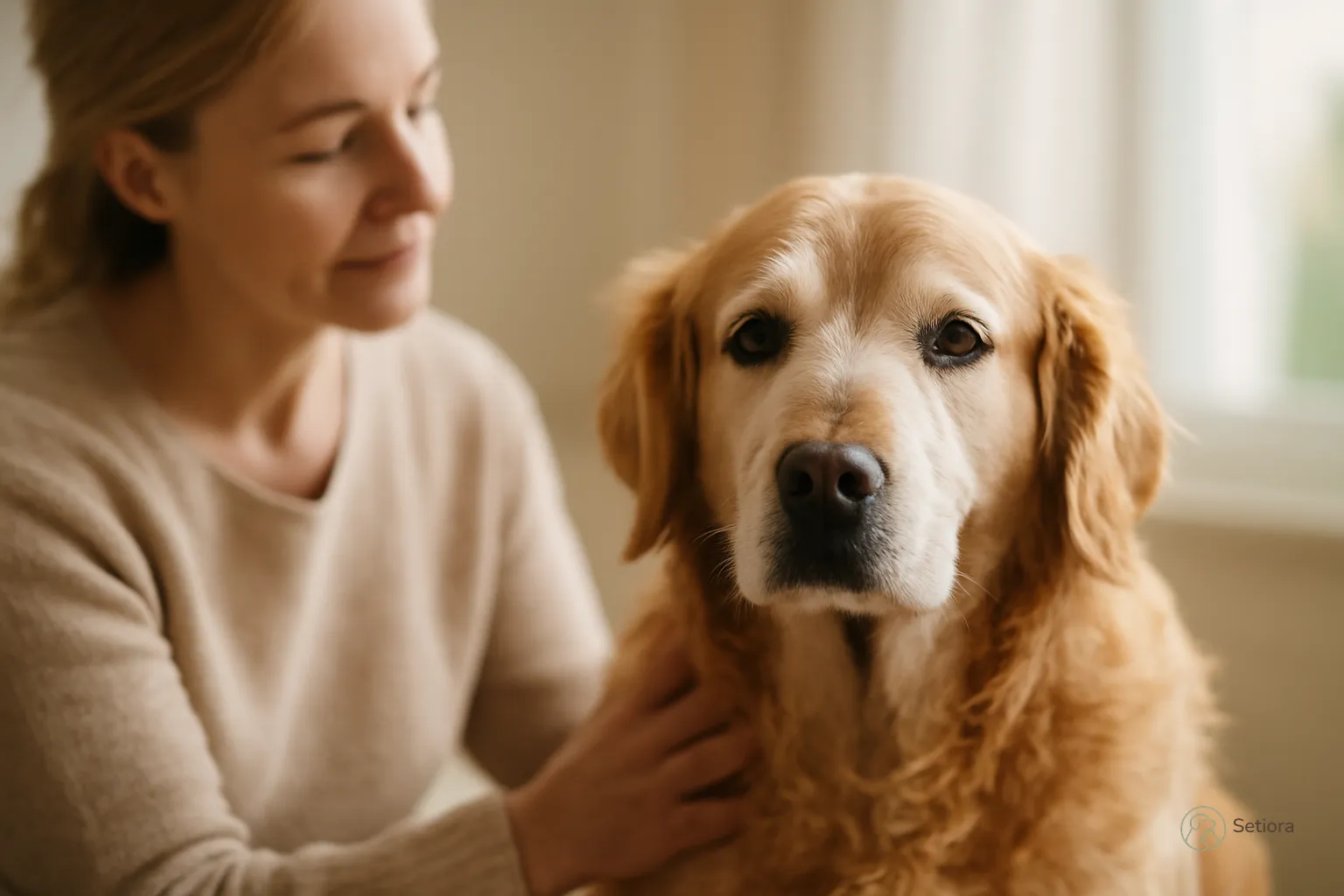
Your dog takes longer to stand after a nap. Your cat has started missing the litter box. Maybe your pet still seems happy, but something feels different — and you're not sure whether it's normal aging or a sign of illness.
Aging happens gradually, and many changes are manageable when they're noticed early. Learning the common signs of aging in senior pets helps you spot patterns, support daily comfort, and know when to involve your veterinarian.
What Does “Senior” Mean for a Pet?
There isn't one exact age when every pet becomes a senior. Dogs generally enter their senior years at around 7 years old, but larger breeds often age faster while smaller breeds may remain active for longer. Cats are commonly considered senior somewhere around 7–10 years, although many don't show more obvious geriatric changes until later.
Age is only one part of the picture. Breed, size, genetics, previous health problems, weight, and lifestyle all influence how your pet ages.
The important point: A change shouldn't be dismissed simply because your pet is older. Some slowing down is expected, but pain, dental disease, kidney problems, thyroid disorders, and other conditions can look like “old age” at first.
10 Common Signs of Aging in Senior Pets
1. Stiffness and Mobility Changes
A senior dog may hesitate before climbing stairs, stop jumping onto furniture, or take longer to get up after resting. A cat might avoid high perches, use lower surfaces, or stop grooming hard-to-reach areas.
Other mobility changes include:
- Slower walks or reduced interest in play
- Difficulty rising or lying down
- Limping or changes in posture
- Reluctance to use stairs
- Less willingness to jump
- Muscle loss, especially over the hips or back
Osteoarthritis and other joint conditions are common causes, but only a veterinarian can determine what's behind a new mobility problem. Pain management, weight support, physical therapy, and home adjustments may all help once the cause is understood. Building small, consistent habits can make management easier — see our guide on Building a Pet Health Routine That Actually Sticks for tips on making care sustainable.
2. Weight Loss or Weight Gain
Unexplained weight change is one of the most useful aging dog signs and senior cat symptoms to track. Your pet may lose weight because of dental pain, kidney disease, digestive problems, thyroid disease, reduced appetite, or muscle loss. Weight gain can happen when activity decreases or portions no longer match energy needs.
Muscle loss can be easy to miss because the number on the scale may stay similar. Look for a thinner appearance around the spine, shoulders, or hips.
Keep an eye on:
- Body shape and muscle tone
- Appetite compared with previous months
- Weight changes despite eating normally
- Difficulty chewing or swallowing
- Changes in treats or food preferences
Regular weigh-ins at home or during veterinary visits can reveal gradual changes before they become obvious. If you want a step-by-step approach, our How to Track Your Cat's Weight at Home (And Why It Matters) explains reliable at-home weighing methods and what trends to share with your vet.
3. Dental and Oral Problems
Bad breath is not always a normal part of getting older. Tartar, inflamed gums, loose teeth, and oral infections can cause significant pain, even when a pet continues to eat.
Watch for:
- Drooling or pawing at the mouth
- Dropping food
- Chewing on one side
- Difficulty eating dry food
- Loose or missing teeth
- Swollen or bleeding gums
- A sudden preference for soft food
Dental disease can affect more than the mouth and may contribute to broader health problems. Ask your veterinarian how often your pet needs dental examinations and whether professional cleaning is appropriate.
4. Changes in Appetite, Thirst, or Urination
A small change in appetite may happen occasionally, but a persistent increase or decrease deserves attention. Increased thirst and urination can be associated with kidney disease, diabetes, thyroid disorders, or other medical conditions.
Track:
- How much food your pet usually eats
- Whether they finish meals
- Water bowl refills
- Urination frequency and volume
- Vomiting, diarrhea, or other digestive changes
Cats can be particularly good at hiding illness. A senior cat that suddenly drinks more water, loses weight, or visits the litter box more often should be evaluated rather than monitored indefinitely at home. If you're unsure whether a change is significant, our post on Is Your Pet Drinking Too Much or Too Little Water? outlines normal ranges and warning signs.
5. Vision or Hearing Changes
Some pets gradually lose hearing or vision as they age. You might notice your dog no longer responds when called from another room, or your cat startles when approached from behind.
Possible signs include:
- Bumping into furniture
- Hesitating in unfamiliar spaces
- Cloudy-looking eyes
- Reduced response to sounds
- Startling more easily
- Difficulty finding food, water, or the litter box
Age-related lens changes can look different from cataracts, and not every cloudy eye causes the same level of vision loss. Keep furniture and important resources in consistent locations, and approach your pet calmly so they aren't surprised.
6. Cognitive and Behavior Changes
Cognitive dysfunction syndrome in pets can involve changes in memory, awareness, sleep, and interaction. Affected pets may seem disoriented, wander at night, vocalize more, or forget familiar routines.
You may notice:
- Restlessness or wakefulness overnight
- New house soiling
- Getting stuck in corners
- Less interest in people or play
- Increased anxiety or irritability
- Confusion in familiar rooms
- Reversed sleep–wake patterns
These signs can also come from pain, hearing or vision loss, urinary disease, or metabolic problems. A veterinary examination helps separate cognitive changes from conditions that may be treatable.
7. Skin, Coat, and Grooming Changes
Senior pets may groom less effectively, develop a duller coat, or experience dry skin and thinning hair. Cats with joint pain may stop grooming their backs, leading to mats.
Look for:
- New dandruff or skin odor
- Greasy, dry, or matted fur
- Increased scratching
- Hair loss or recurrent skin infections
- New lumps or bumps
- Changes in nail growth
Some coat changes are age-related, while others can be linked to endocrine disease, allergies, infection, or nutritional problems. Have new lumps checked, especially if they grow, bleed, change shape, or seem painful.
8. Changes in Elimination Habits
Accidents indoors are not always behavioral. A pet may be unable to reach the door or litter box quickly, may have urinary disease, or may be experiencing cognitive changes.
Pay attention to:
- New accidents
- Straining to urinate
- Blood in urine or stool
- Increased frequency
- Urinary leakage while resting
- Constipation or diarrhea
- A cat avoiding a high-sided litter box
Never assume a sudden change in bathroom habits is simply stubbornness. Medical causes should be considered first.
9. Coughing or Reduced Exercise Tolerance
An older pet may naturally slow down, but coughing, fainting, rapid breathing at rest, or a sudden drop in stamina should not be ignored. These signs can be associated with heart disease, respiratory conditions, pain, or other problems.
Compare your pet with their own usual baseline. A dog that used to enjoy a 30-minute walk but now stops after a few minutes may be communicating that something has changed.
10. More Sleep, Less Energy, or Slower Recovery
Senior pets often sleep more. The concern is a meaningful change in energy, engagement, or recovery.
Watch for:
- No longer enjoying favorite activities
- Persistent lethargy
- Hiding more often
- Taking much longer to recover after activity
- Losing interest in family interaction
- Difficulty getting comfortable
A quiet day may not mean much on its own. A pattern that lasts, worsens, or appears alongside appetite, weight, pain, or bathroom changes is worth discussing with your veterinarian.
When to Call the Vet
Some changes can wait for a scheduled appointment, while others need prompt attention. Contact a veterinarian quickly if your pet has:
- Sudden collapse, fainting, or seizures
- Rapid or difficult breathing
- Severe pain or inability to stand
- Marked or unexplained weight loss
- Persistent vomiting or diarrhea
- Blood in urine or stool
- A sudden severe limp
- New confusion that develops rapidly
- Refusal to eat, especially alongside weakness
- Repeated straining to urinate
When in doubt, call. A quick conversation can help you decide how urgently your pet needs to be seen. Preparing a clear set of notes or documents ahead of an appointment can save time — see our checklist in 10 Things Your Vet Wishes You'd Bring to Every Appointment for practical items to have ready.
How Veterinarians Check Senior Pets
Senior wellness care often involves more than a physical examination. Your veterinarian may recommend:
- Regular wellness visits, sometimes every six months
- Weight and body-condition monitoring
- Bloodwork, including a complete blood count and chemistry testing
- Urinalysis
- Thyroid testing when appropriate
- Blood pressure measurement, especially for older cats
- Dental examination and professional cleaning when needed
- X-rays or ultrasound for specific concerns
- Heart testing or other imaging when indicated
- Behavioral and cognitive screening
Bring a record of changes from home. Notes about water intake, appetite, mobility, sleep, litter box use, and activity can make subtle patterns easier to identify.
Practical Senior Pet Care at Home
Small environmental changes can make a noticeable difference in comfort and confidence.
Try:
- Adding non-slip rugs to smooth floors
- Providing warm, supportive bedding
- Using ramps or low steps where appropriate
- Keeping food, water, and litter boxes easy to reach
- Choosing a low-entry litter box for cats with stiff joints
- Raising bowls only if your veterinarian recommends it
- Keeping furniture and household routines consistent
- Using night-lights for pets with reduced vision or nighttime confusion
- Offering gentle, low-impact enrichment
- Brushing regularly to prevent mats and check the skin
- Weighing your pet on a consistent schedule
Diet should be individualized. Some pets benefit from a senior-formula food, while others need a therapeutic diet for kidney, heart, thyroid, or digestive disease. Ask your veterinarian before making a major food change or adding supplements.
Myths About Aging Pets
“Slowing down is always normal.”
Some slowing is expected, but stiffness, pain, weight loss, and reduced stamina can have treatable causes. Aging and illness are not the same thing.
“Older pets won't benefit from treatment.”
Older animals can still respond well to pain management, dental care, nutrition changes, and treatment for underlying disease. Quality of life matters more than a pet's age alone.
“Behavior changes are just stubbornness.”
New accidents, anxiety, nighttime vocalizing, or irritability may reflect pain, sensory loss, cognitive changes, or another medical issue. It is best to rule out health problems before treating behavior as disobedience.
“There is no point starting preventive care late in life.”
It is never too late to improve comfort and monitor health. A senior exam, dental assessment, weight plan, or home adjustment can make everyday life easier.
Quality of Life in Later Years
Senior pet care is not only about finding disease. It is also about noticing what helps your pet feel comfortable and engaged.
Keep track of good days and difficult days. Consider whether your pet can eat, drink, rest, move around, stay clean, interact with family, and enjoy some familiar activities. Your veterinarian can help you assess these changes and discuss pain relief, palliative care, or hospice support when needed.
These conversations can be emotional, but planning ahead gives you more time to focus on your pet rather than making decisions during a crisis.
How Setiora Can Help
Aging changes are easier to explain when you have a clear record. Setiora helps you keep health information, weight notes, medication details, veterinary records, and daily care reminders organized in one place.
You can use that information to notice patterns — such as gradually increasing thirst, changes in mobility, or missed meals — and share a more complete picture during appointments. Consistent tracking does not replace veterinary care, but it can help you act sooner and support better day-to-day decisions.
Your pet may move more slowly with age, but thoughtful monitoring and a few practical changes can help them stay comfortable, connected, and involved in family life.
Sources
For additional senior pet care guidance, explore:
- American Veterinary Medical Association: Senior Pets
- American Animal Hospital Association
- Cornell Feline Health Center
Track your pet's health with Setiora
Log vaccinations, medications, weight, and vet visits — all offline, all organised.
Join Waitlist →