
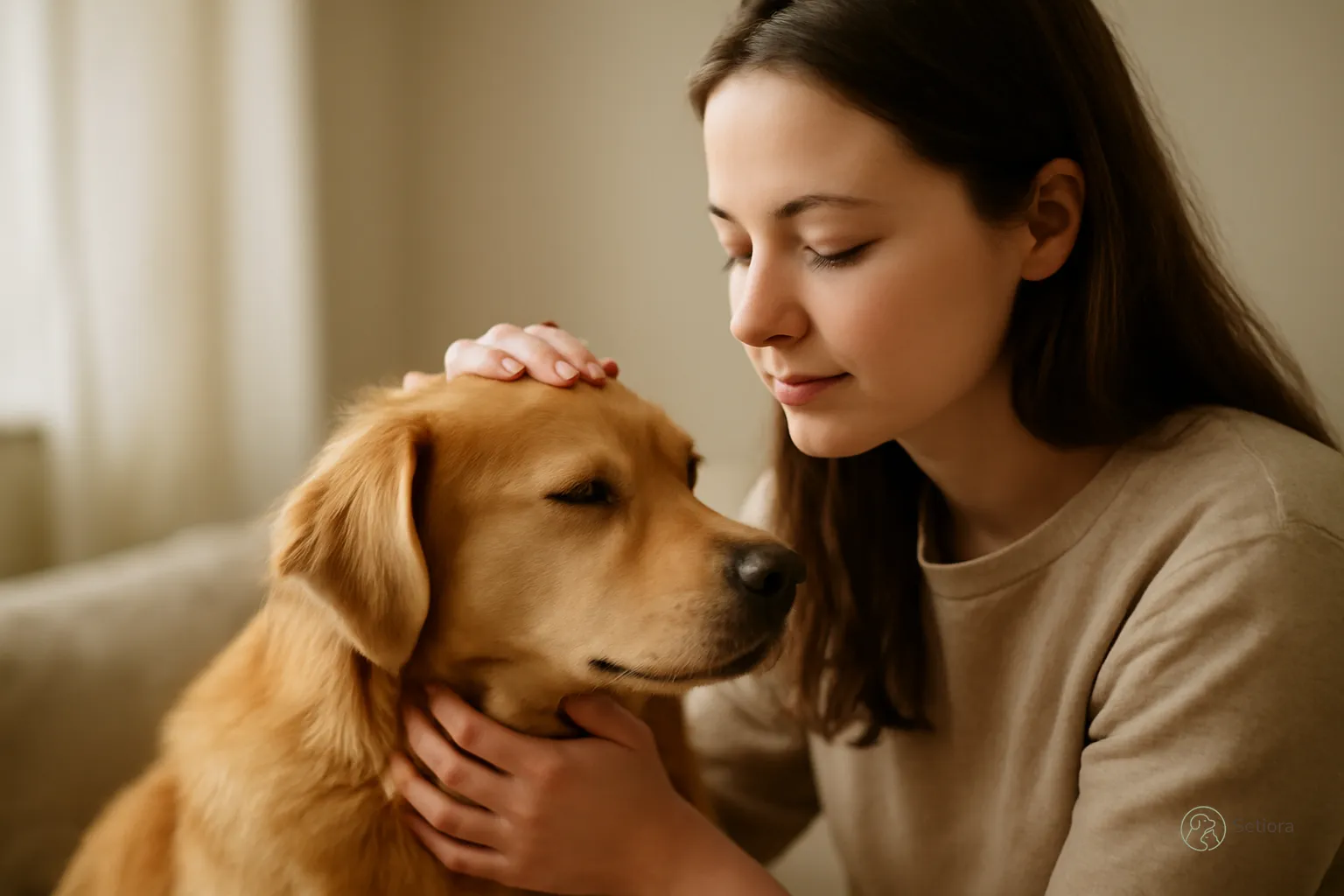
You see the carrier come out, and your cat disappears under the bed. Your dog notices the leash and starts panting before you even reach the car. If you're wondering how to calm your pet before a vet visit, you're not alone.
Veterinary clinics can feel overwhelming because they combine unfamiliar smells, sounds, handling, and other animals. The right preparation can reduce that stress, make the appointment easier, and help your veterinarian get a clearer picture of your pet's health.
Signs Your Pet Is Stressed at the Vet
Pets don't always show fear by trying to escape. Some freeze, hide, or become unusually quiet. Others may react by barking, hissing, growling, or snapping.
Common signs of stress include:
- Panting when the room is not hot
- Trembling or shaking
- Hiding or refusing to come out of a carrier
- Whining, vocalizing, barking, or hissing
- Pacing or trying to escape
- Dilated pupils or pinned-back ears
- Excessive drooling
- Toileting during the visit
- Refusing treats
- Growling, swatting, or snapping
- Freezing or becoming unusually still
Why this matters: Fear can make physical examinations more difficult and may temporarily affect measurements such as heart rate or blood pressure. It can also make future visits harder if your pet begins to associate the clinic with an unpleasant experience.
How to Calm Your Pet Before a Vet Visit
The most effective approach is usually gradual preparation rather than one last-minute trick. Start with small, positive experiences and reward your pet for calm behavior.
1. Make the Carrier or Crate Feel Familiar
For cats, carrier training can make one of the biggest differences. Instead of bringing the carrier out only on appointment days, leave it open in a familiar part of your home.
Try the following:
- Place soft bedding or a familiar-smelling towel inside
- Add treats, toys, or a small amount of food
- Reward your cat for looking at, approaching, or entering the carrier
- Feed meals near the carrier, then gradually move the bowl inside
- Practice closing the door for only a few seconds at first
- Increase the duration slowly while offering rewards
- Carry the closed carrier around the home before practicing short car rides
Never force your cat inside unless there is an immediate safety concern. If your pet becomes frightened, return to an easier step and try again later.
Dogs can also benefit from positive crate and car training. Use a secure crate or a familiar harness and leash, depending on what your dog is comfortable with. Reward your dog for calmly entering the vehicle, sitting in the travel area, and settling before the car moves.
(If you're just bringing home a new companion, our New Pet Checklist: The First 30 Days After Bringing Home a New Pet includes starter steps for introducing carriers and early vet visits.)
2. Practice Gentle Handling at Home
A veterinary exam may include touching your pet's ears, paws, mouth, abdomen, and tail. Brief practice at home can make these sensations less surprising.
Keep sessions short and stop before your pet becomes uncomfortable. You might practice:
- Touching and gently holding each paw
- Looking briefly at the ears
- Lifting the lips to check the teeth
- Running your hands over the body
- Placing a hand on the chest to mimic listening to the heart
- Standing on a nonslip surface
- Being gently held for a few seconds
Pair every step with a high-value treat, praise, or a favorite game. The goal is not to restrain your pet for a long time. It is to teach them that brief handling predicts something positive.
For pets with ongoing anxiety or complex medication schedules, using tools like Pet Medication Reminders: How to Never Miss a Dose Again can help keep treatments consistent so your pet is at their best for visits.
3. Use Desensitization and Counterconditioning
These two training techniques help change your pet's emotional response.
Desensitization means starting with a very mild version of something your pet finds worrying. For example, you might place the carrier across the room rather than carrying it toward your cat.
Counterconditioning means pairing that experience with something your pet enjoys, such as treats or play.
A gradual plan might look like this:
- Reward your pet for calmly noticing the carrier, leash, or car.
- Move slightly closer and reward again.
- Touch or open the carrier, then offer a treat.
- Allow your pet to approach voluntarily.
- Practice a very short ride or mock visit.
- Increase the challenge only when your pet remains relaxed.
If your pet stops taking treats, tries to escape, or shows intense fear, the step is probably too difficult. Go back to an easier version.
4. Schedule a Practice Visit
Ask your clinic whether they offer short “happy visits.” Your pet might enter the building, receive treats from staff, and leave without having an examination.
These brief experiences can help your pet learn that visiting the clinic does not always lead to restraint, injections, or other procedures. Even a few minutes of calmly sitting in the lobby or exam room may be useful.
If your pet becomes overwhelmed in the waiting room, ask whether you can:
- Wait in the car
- Go directly into an exam room
- Use a separate entrance
- Visit during a quieter appointment block
- Schedule cat-only hours
- Use curbside check-in if available
The 24–48 Hours Before the Appointment
A little organization can prevent rushed decisions on the day of the visit.
Vet Visit Preparation Checklist
- Confirm the appointment time and clinic instructions
- Tell the clinic about your pet's previous fear or reactivity
- Ask about quieter waiting options
- Discuss pre-visit medication if your pet has severe anxiety
- Prepare high-value treats
- Pack a familiar blanket or towel
- Check that the carrier, crate, harness, and leash are secure
- Review your pet's current medications and health changes
- Avoid introducing a brand-new carrier on appointment day
- Plan extra travel time so you do not need to rush
Keep familiar routines where possible. A calm, predictable morning is often easier than a dramatic change to your pet's schedule.
What to Do on the Day
Your goal is to keep stimulation low while giving your pet choices whenever it is safe to do so.
Bring:
- Favorite treats or a lickable reward
- A familiar blanket or towel
- A favorite toy, if it helps your pet settle
- Any medication or health information requested by the clinic
- An absorbent liner for a cat carrier
- Waste bags for a dog
A short, relaxed walk can help some dogs settle before an appointment. Avoid intense exercise immediately beforehand if it leaves your dog heavily panting or overheated.
Use a quiet voice and avoid making a major event of leaving the house. Too much fussing can sometimes increase your pet's concern. At the same time, do not punish barking, hiding, growling, or other fear-based behavior. Punishment can increase fear and make defensive reactions more likely.
At the clinic, tell the staff:
- What triggers your pet
- Which treats or rewards work best
- Whether your pet dislikes being picked up
- What handling has helped in the past
- Whether your pet has ever bitten or scratched
- When your pet is likely to need a break
Clear information helps the team choose safer, calmer handling strategies.
(Keeping a single, up-to-date medical timeline is helpful here — see our Pet Health Timeline Every Owner Should Keep to know what to record before visits.)
Dog-Specific Tips
Dogs often respond well to predictable routines and reward-based training.
- Use a familiar harness and leash that fit securely.
- Practice walking into the clinic and immediately receiving a treat.
- Bring especially appealing treats your dog does not get every day.
- Ask to wait outside or in the car if the waiting room causes barking or lunging.
- Reward calm behaviors such as looking at you, sitting, or standing quietly.
- Consider a calming vest only if your dog already tolerates wearing it.
- Avoid forcing greetings with staff or other animals.
Some dogs benefit from mock examinations at home. Ask your dog to stand on a mat, touch their ears or paws briefly, and reward them for staying relaxed. A clicker or a simple verbal marker can help make the desired behavior clear.
Cat-Specific Tips
Cats often find both the journey and the clinic environment stressful, so transport preparation is especially important.
Use a sturdy, well-ventilated carrier that allows your cat to turn around and settle comfortably. A carrier with a removable top can make examinations easier because the veterinarian may be able to examine your cat while they remain in the bottom half.
You can also:
- Place a familiar towel inside the carrier
- Cover part of the carrier with a breathable blanket
- Keep the carrier level while carrying it
- Avoid swinging or bumping the carrier
- Ask to move directly into a quiet exam room
- Let your cat remain in the carrier until the team is ready
- Allow your cat to come out voluntarily when possible
A cover helps some cats but makes others more anxious. Watch your cat's body language and keep airflow unobstructed.
If you're monitoring a cat's weight as part of tracking stress or health changes between visits, our guide on How to Track Your Cat's Weight at Home (And Why It Matters) explains reliable techniques and what shifts to report to your vet.
Calming Products and Pre-Visit Medication
Pheromone sprays or diffusers may help some pets, although results vary. You can apply a cat pheromone product to bedding or the carrier according to its label, giving it time to dry before placing your pet inside. Dog appeasing pheromone products may also be useful as part of a broader preparation plan.
Other options include:
- Anxiety wraps or vests for some dogs
- Veterinary-approved supplements
- Prescription pre-visit medication
- A referral to a veterinary behaviorist
Supplements such as L-theanine or alpha-casozepine have mixed evidence, and product quality can vary. They may also interact with other medications or be inappropriate for pets with certain health conditions.
Never give your pet a sedative, human medication, or leftover prescription without speaking with your veterinarian first. Medication choice and timing depend on your pet's species, age, health history, and type of anxiety. Some pets need medication before they become distressed, while others need a different plan entirely.
Ask for Low-Stress Handling
Many clinics use low-stress handling techniques to reduce fear and improve safety. These may include:
- Minimal restraint
- Allowing time for sniffing and exploration
- Using treats throughout the examination
- Examining a cat in the bottom of the carrier
- Using towels or soft bedding for support
- Taking short breaks
- Completing easier parts of the exam first
- Rescheduling with a pre-visit plan if the pet is overwhelmed
If your pet begins freezing, escalating, or showing aggressive behavior, tell the veterinary team immediately. Do not try to force the examination yourself. The team can discuss safer alternatives, additional medication, or a follow-up appointment.
After the Appointment
Give your pet time to decompress at home. Some pets want to sleep or hide for a while. Others may be hungry, vocal, or eager to move around.
Offer:
- A quiet resting area
- Fresh water
- A familiar meal, if appropriate
- Gentle attention if your pet seeks it
- A favorite treat after calm behavior
Do not punish your pet for accidents, hiding, vocalizing, or other stress-related behavior after the visit. Instead, note what happened while it is fresh. Those details can help you and your veterinarian create a better plan next time.
When to Get Extra Help
Talk with your veterinarian if your pet's fear prevents routine examinations, vaccinations, grooming, or emergency care. Extra support is especially important when your pet:
- Shows escalating aggression
- Cannot safely enter the clinic
- Remains distressed despite gradual training
- Freezes or panics during handling
- Becomes impossible to transport
- Has a history of severe reactions
A veterinarian can recommend pre-visit medication or refer you to a veterinary behaviorist or qualified behavior professional. Older pets can still learn new associations, but progress may require patience, repeated practice, and a carefully adjusted plan.
If you frequently find items missing or disorganized for vet visits, pack a kit using the items from our 10 Things Your Vet Wishes You'd Bring to Every Appointment so you're never searching at the last minute.
Make Vet Visits More Predictable
The best answer to how to calm your pet before a vet visit is usually a combination of preparation, positive reinforcement, thoughtful scheduling, and clear communication with the clinic. You do not need to make every visit perfect. Small improvements count: entering the carrier more easily, waiting calmly for a few minutes, or accepting one brief paw touch.
Keeping health records, medication details, appointment reminders, and notes about your pet's triggers in one place can make that preparation easier. With Setiora, you can organize important pet-care information so you have it ready before the next visit — helping you focus on keeping your companion calm and supported.
Progress is built one calm experience at a time.
Track your pet's health with Setiora
Log vaccinations, medications, weight, and vet visits — all offline, all organised.
Join Waitlist →