
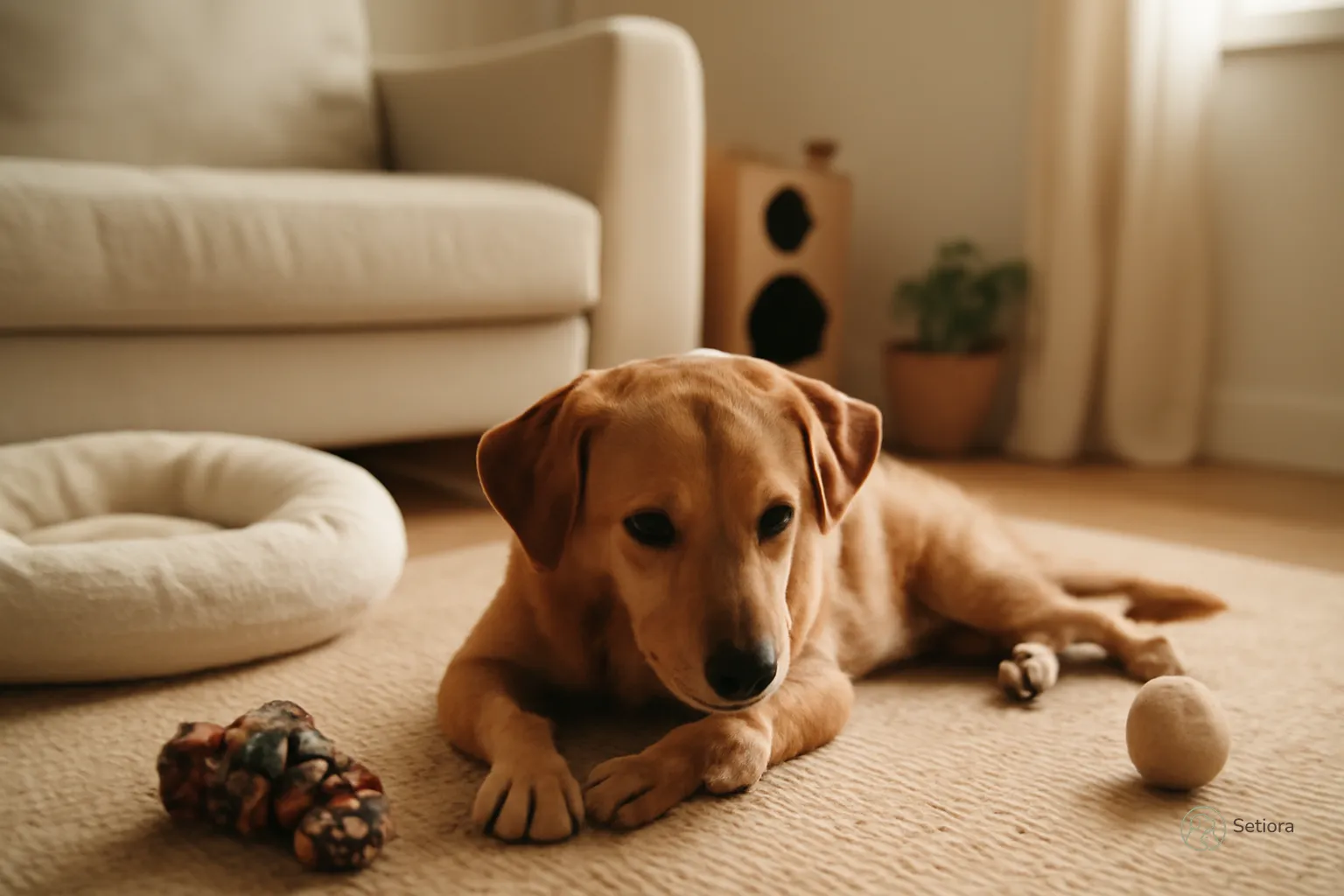
You close the door, hear a familiar jingle from inside, and immediately wonder: Are they bored already? Many pets spend part of the day alone while their people work, but being home alone doesn't have to mean being unstimulated.
The right routine, a few safe activities, and some attention to your pet's individual personality can make a big difference. This guide to pets home alone enrichment covers realistic ways to support mental stimulation, physical activity, and emotional security without filling your home with expensive gadgets.
Why Enrichment Matters When Your Pet Is Alone
Enrichment means shaping your pet's environment or routine so they can express natural behaviors. Depending on the species, that might include foraging, sniffing, climbing, scratching, chewing, hiding, exploring, or shredding.
Good enrichment can help provide:
- Mental stimulation during quiet hours
- Safe outlets for natural behaviors
- More physical activity
- Greater predictability and confidence
- Less boredom-related destruction
- Better opportunities for independent play
Enrichment isn't a cure-all for separation-related distress, and it shouldn't replace exercise, social contact, or veterinary care. Think of it as one part of a complete daily routine.
Important: Every pet is different. Age, species, breed, health, temperament, training, and previous experiences all affect how long they can comfortably stay alone.
Start by Understanding Your Pet
Before buying a puzzle toy or setting up a new feeding routine, observe what your pet actually enjoys. A food puzzle may delight one dog and frustrate another. A window perch may entertain one cat while another prefers a covered hiding space.
Ask yourself:
- Does my pet settle calmly after I leave?
- Do they vocalize, pace, scratch, or chew destructively?
- Are they more active in the morning, evening, or overnight?
- Do they prefer food games, toys, scent work, climbing, or quiet hiding?
- Are there health or mobility concerns that affect activity?
- Does their age require more frequent bathroom, feeding, or social breaks?
- Do they have a history of fear or separation-related behavior?
A pet who naps for part of the day may be perfectly comfortable. However, a sudden change in sleep, appetite, toileting, energy, or behavior is worth noting. Only a veterinarian can determine whether a new behavior has an underlying medical cause. If you notice subtle signs that something's off, review common indicators because pets often hide discomfort — see our guide on common signs your pet is hiding pain for details on what to watch for.
Build a Predictable Before-Work Routine
Pets often cope better when the day follows a familiar pattern. Feeding, bathroom breaks, exercise, and quiet time don't need to happen at exactly the same minute, but roughly consistent timing can help your pet know what to expect.
Try this simple sequence before work:
- Offer a bathroom break or movement session. Take your dog for a walk, play with your cat using a wand toy, or provide species-appropriate activity for your small pet.
- Add a short mental challenge. Practice a few positive-reinforcement cues, scatter food for your dog to sniff out, or use a puzzle feeder.
- Allow a calm transition. Give your pet time to settle instead of rushing straight from energetic play to a long absence.
- Leave a safe activity. Offer a familiar toy, food puzzle, chew, forage box, or hiding option.
- Keep departures low-key. A calm goodbye is often easier than a dramatic, emotional exit.
A dog who learned to enjoy a frozen food toy may spend the first part of the workday licking and working through it, then rest. The same general idea can work for other pets: place a rewarding, familiar activity at the beginning of the alone period.
If you're building a daily plan that fits into your life, our piece on building a pet health routine that actually sticks has practical tips for creating habits you can maintain on busy weekdays.
Pets Home Alone Enrichment Ideas by Species
Dogs
Many dogs benefit from both physical exercise and cognitive work before being left alone. The right amount depends on age, breed, health, and temperament.
Try:
- Puzzle toys for dogs that dispense part of their normal meal
- Food scattered in a secure area for supervised sniffing practice
- A frozen, vet-approved food toy prepared in advance
- Durable chew items that your dog has already used safely
- Rotated toys rather than every toy being available at once
- A comfortable resting area away from household hazards
- A scent game using treats hidden in easy-to-find locations
Introduce new chews and toys while you are home first. Check regularly for broken pieces, loose threads, or choking risks. Some dogs should not be left alone with particular items.
Many dogs typically benefit from a midday break, especially puppies, seniors, dogs with medical needs, and high-energy or anxious individuals. A dog walker, sitter, trusted neighbor, or day-care visit may help, but trial the arrangement while you are nearby and confirm that the person understands your dog's routines.
If you have a puppy, pair enrichment with vaccination and care planning — see our puppy vaccination schedule to make sure your outings and social visits fit their health timeline.
Cats
Indoor cats still need opportunities to climb, scratch, hide, hunt, and explore. Indoor cat enrichment can be simple and inexpensive.
Consider:
- A secure window perch
- Cat trees, shelves, or other safe vertical spaces
- Cardboard boxes and tunnels
- Scratching posts placed near favorite resting areas
- Puzzle feeders or small hidden food stations
- Toys rotated every few days
- A quiet hiding place where your cat can retreat
- Timed toys used according to the manufacturer's safety guidance
Interactive play before and after work can be especially useful. Move a wand toy like prey, allow your cat to catch it occasionally, and finish with a meal or treat. Avoid leaving string, ribbon, or wand toys accessible when no one is supervising.
Laser toys can provide movement, but they should be used thoughtfully. End the session with a tangible toy or treat so your cat has a satisfying finish rather than chasing something they can never catch.
Rabbits, Guinea Pigs, and Ferrets
Small pets need more than food, water, and a clean enclosure. They often benefit from safe opportunities to forage, chew, hide, and explore.
Provide:
- Species-appropriate chew items
- Tunnels and hiding areas
- Hay or food placed in safe forage toys
- Cardboard tubes or boxes without staples, tape, or harmful coatings
- A rotating selection of safe objects to investigate
- Social contact suited to the species and individual animal
Rabbits and guinea pigs are social animals, while ferrets often need substantial interaction and supervised play. Their activity may also increase around dawn, dusk, or nighttime, so schedule enrichment when they are naturally awake.
Birds
Birds generally need daily social interaction and mental stimulation. Safe shreddable toys, foraging activities, and varied perches can make their environment more interesting.
Try:
- Hiding small portions of food in bird-safe foraging materials
- Rotating toys instead of overcrowding the enclosure
- Providing different safe perch textures and diameters
- Offering supervised out-of-cage time when possible
- Using shreddable materials approved for your bird's species
Mirrors are not a universal solution. Some birds may become overly focused on them or treat the reflection as a companion. Watch your bird's response and remove the mirror if it appears to cause stress or repetitive behavior.
Reptiles
Reptile enrichment starts with a correct habitat. Appropriate temperatures, humidity, lighting, substrate, and secure hides are essential before adding activities.
Depending on the species, enrichment may include:
- Multiple hides
- Safe branches, ledges, or climbing structures
- A varied, species-appropriate habitat layout
- Feeding opportunities that encourage natural behaviors
- Changes made gradually so the animal is not overwhelmed
Reptiles differ widely in their social and environmental needs. Ask an exotic-animal veterinarian or knowledgeable keeper before changing the enclosure or feeding routine.
Add a Midday Break When Your Pet Needs One
Not every pet needs a visitor halfway through the workday, but some clearly do. Puppies may need more frequent bathroom breaks, while older pets may need medication, assistance, or a shorter interval alone. A high-energy dog may also struggle without movement and social contact.
Possible options include:
- A 15–30 minute dog-walking visit
- A pet sitter who provides feeding or medication
- A trusted neighbor checking in
- A friend offering a bathroom break
- Dog day care for dogs who enjoy group settings
- A longer visit for pets who need companionship rather than just a quick toilet break
Day care isn't suitable for every dog. Fearful, reactive, elderly, or medically fragile dogs may prefer a quiet home visit. Ask for references, arrange a trial, and monitor your pet's behavior afterward.
Use Technology as Support, Not a Substitute
Technology can make routines easier, especially when used alongside real care.
Useful tools may include:
- Automatic feeders for consistent meal timing
- Treat-dispensing puzzles
- Timed toys
- Pet cameras for observation
- Cameras with brief two-way audio or treat features
- Automatic water systems, with a backup bowl available
A camera can help you learn whether your pet sleeps, plays, paces, or vocalizes after you leave. That information is more useful than guessing.
Secure connected devices with strong passwords and current software. Check for product recalls, inspect moving parts, and never assume a motorized toy is safe for unsupervised use without testing it first. Two-way audio can comfort some pets but confuse or excite others.
Teach Calm Independence Gradually
Enrichment works best when your pet also has the skills to settle. Practice independent time in small steps while you are home. Give your pet a comfortable activity, move briefly to another room, and return before they become distressed. Gradually build duration at a pace they can handle.
Reward calm behavior with praise, attention, or a treat. Avoid punishing barking, destruction, accidents, or other signs of distress after the fact. Punishment can increase fear and does not teach your pet how to feel safe alone.
Persistent destruction, excessive vocalization, pacing, escape attempts, self-injury, or toileting problems may indicate separation-related distress. Speak with your veterinarian and consider a certified positive-reinforcement trainer or veterinary behaviorist. Serious separation anxiety often needs a structured behavior plan rather than more toys.
Home-Alone Safety Checklist
Before leaving, check the environment as carefully as you would for a curious toddler.
- Fresh water is available in a stable container
- Toxic plants, food, and medications are out of reach
- Electrical cords and small chewable objects are secured
- Windows, balconies, doors, and gates are safely closed
- Toys have no loose parts, strings, or damaged sections
- The temperature is comfortable for the species
- Your pet has a quiet resting area
- Food puzzles contain an appropriate portion
- Special diets or medications are clearly planned
- A backup caregiver has access to emergency information
Supervise every new enrichment item initially. Remove anything your pet tries to swallow, dismantle, or become tangled in. For a printable checklist you can keep with your records, see our pet health record checklist (free printable).
A Simple Workday Plan
For an adult dog who is comfortable alone for a typical workday:
Before work
- Bathroom break and a walk or play session
- A few minutes of training or sniffing
- Breakfast in a familiar food puzzle
- Calm settling time before departure
During work
- Safe resting area
- Fresh water
- Rotated toy or approved chew
- Midday visit if the dog's age, health, energy, or behavior calls for one
After work
- Outdoor activity or interactive play
- Social time and a normal meal
- A short calm activity before bedtime
For multiple pets, create options rather than forcing everyone into the same activity. Separate food puzzles if there is competition, and provide both social spaces and places where each pet can rest alone.
Make Enrichment Easier to Maintain
The best plan is one you can repeat on a busy Tuesday. Prepare frozen food toys in batches on the weekend, rotate a small group of toys weekly, and use safe cardboard boxes or paper bags for supervised exploration.
You can also combine enrichment with everyday tasks:
- Scatter part of your dog's meal while you prepare coffee
- Hide a few pieces of kibble around a safe room
- Offer your cat a box after unpacking groceries
- Place hay in a forage toy while cleaning a small-pet enclosure
- Practice calm settling while you answer emails
Keep notes on what your pet enjoys and when behavior changes. Tracking feeding, play, medication, and care routines in one place can make consistency much easier, particularly when a sitter or family member helps. If you need help remembering medications or scheduled visits while juggling enrichment, our pet medication reminders article explains simple systems to never miss a dose.
How Setiora Can Help
Caring for a pet during a full workday involves many small details: meal timing, exercise, enrichment, medication, bathroom breaks, and behavior observations. Setiora helps you keep those routines and health records organized, so you can see what happened, what is coming next, and what may need attention.
Start with one manageable change this week. Add a short morning activity, rotate one safe enrichment item, or arrange a midday visit if your pet needs more support. Small, consistent adjustments can make home-alone time calmer and more rewarding.
Frequently Asked Questions
How do I keep my pet entertained while I am at work?
Use a mix of species-appropriate food puzzles, safe toys, hiding spaces, foraging activities, and a predictable routine. Dogs may need exercise and a midday break, while cats often benefit from climbing, scratching, and hunting-style play.
Is sleeping all day a sign that my pet is happy?
Not necessarily. Many pets naturally sleep while their people are away, but a sudden increase in sleeping, along with appetite changes, withdrawal, destruction, or toileting problems, deserves attention.
Is leaving the television on enough enrichment?
Background sound may comfort some pets, but it does not replace physical activity, mental challenges, or social interaction. Watch your pet's response, since certain sounds may be stressful.
Do all dogs need a midday walk?
Many dogs benefit from a midday break, but needs vary. Puppies, seniors, dogs with medical conditions, high-energy breeds, and dogs who become distressed alone may need more frequent support.
What should I do if my pet seems anxious when alone?
Record what happens after you leave, make the environment predictable, and avoid punishment. Contact your veterinarian if distress is persistent, severe, or associated with self-injury, escape attempts, appetite changes, or toileting problems. Consider keeping a list of what to bring to appointments so vet visits go smoothly — our checklist on 10 things your vet wishes you'd bring can help you prepare.
Track your pet's health with Setiora
Log vaccinations, medications, weight, and vet visits — all offline, all organised.
Join Waitlist →